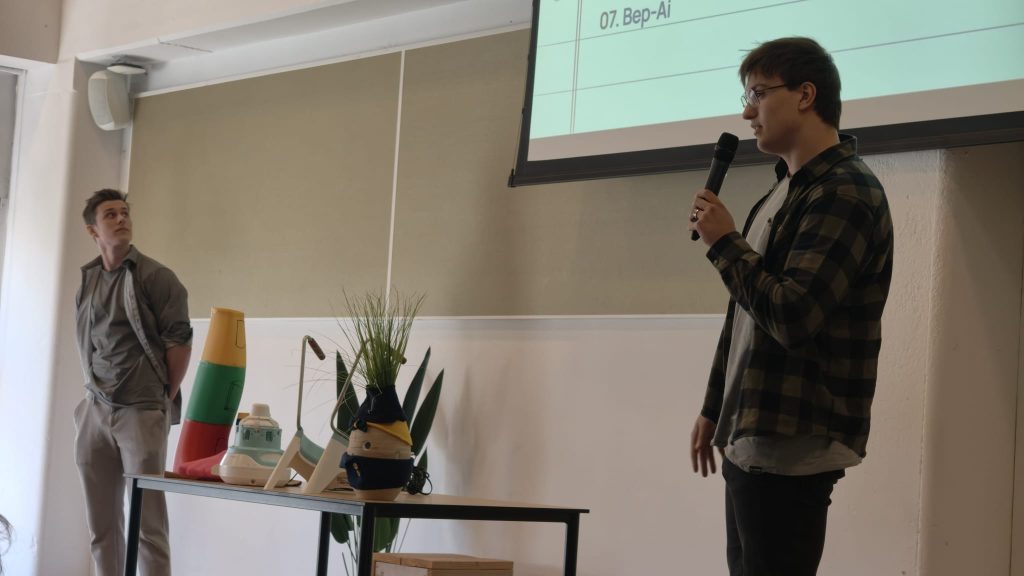
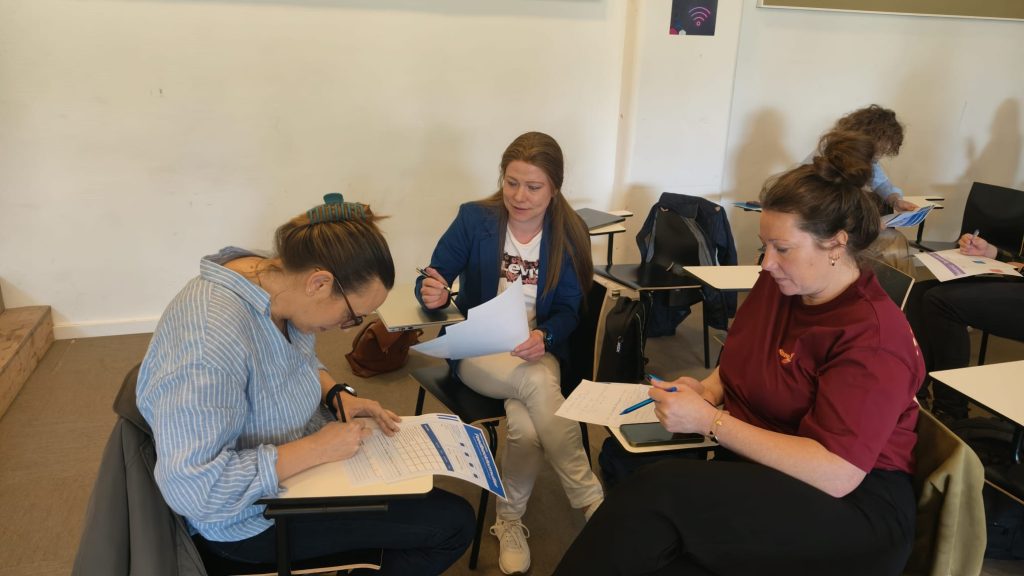
On 9 April, the Experimenteerhuis healthcare technology escape room project, in collaboration with GameLab, reached an inspiring milestone. University of applied sciences, Technasium and vocational students came together for the interim presentation of their unique project.
The focus is not only on technology, but above all on the concept of Positive Health. How can technology contribute to clients' wellbeing and reduce the workload in healthcare? The various groups' results show that creativity and care go perfectly hand in hand.
Crucially, healthcare professionals from Welthuis attended the presentations, allowing them to give direct feedback on the students' ideas based on practical experience.
The prototypes: from 3D prints to AI
The students have certainly been busy. They have developed ideas, built prototypes and even played escape rooms themselves to master the finer points of gamification. Some highlights:
- The Smart HelpSoq: A 3D-printed human leg equipped with sensors and an ESP32 controller. Players must learn how to put on a compression stocking correctly; the sensors immediately register whether it has been positioned properly.
- Bep-AI & MDM OMA: Integrations with the Tessa care robot and Telma medication dispenser. These tools show how social robots and smart hardware increase older people's independence.
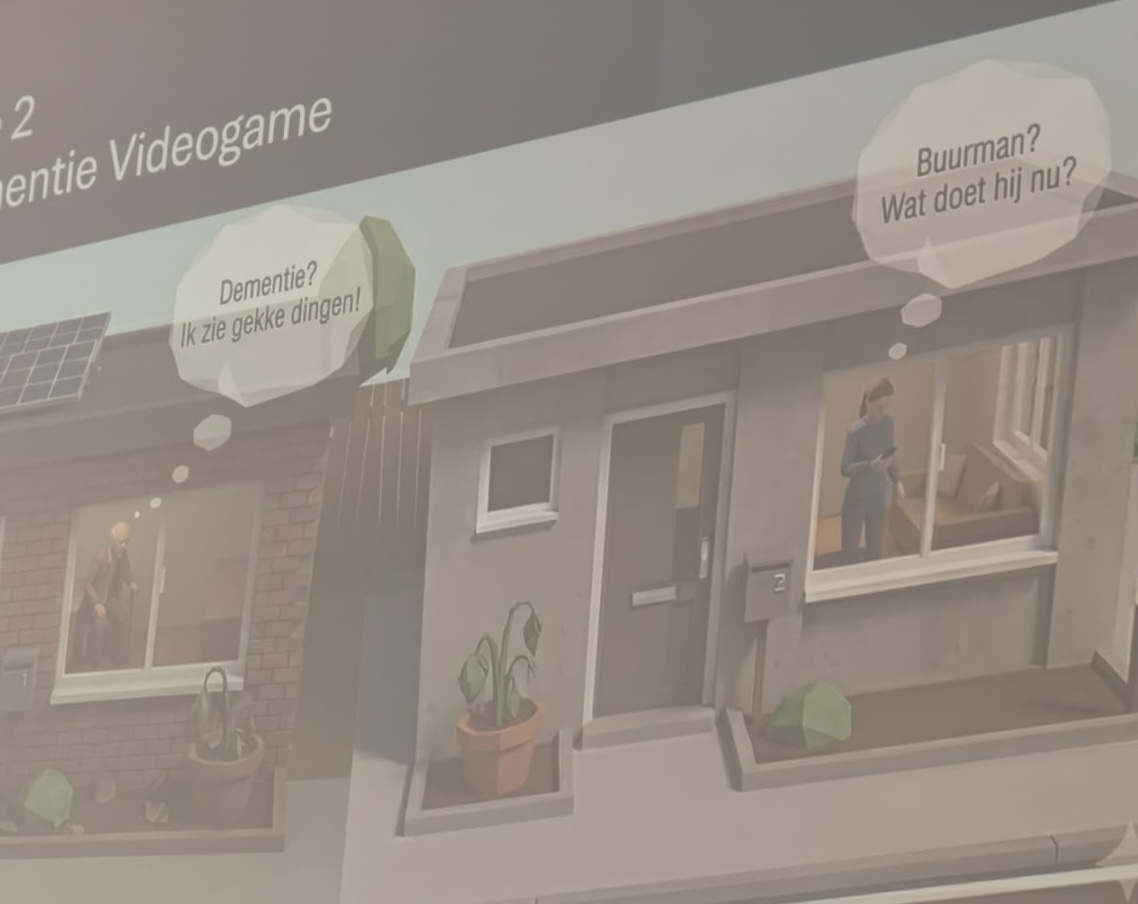
- Dementia Video Game: Players must perform tasks that are 'right' or 'wrong' to gain a better understanding of how people with dementia experience the world.
The escape room experience: solving puzzles with care
In a healthcare escape room, the puzzle is the care need itself. The students have devised ingenious ways of incorporating technology into gameplay:
1. Diagnostics & procedures
- Measuring blood pressure: A resident needs help; the door code appears only after their blood pressure has been measured correctly.
- Robot buddy: The robot acts as a guide. You learn to fill in a schedule together, and reading it aloud solves the puzzle.
- Sensors & ethics: Players must activate a fall detector or adjust lighting, immediately confronting them with an ethical dilemma: do you choose safety through a camera, or privacy?
2. Medication puzzles
- UV patient information leaflets: A UV torch reveals secret text in a patient information leaflet.
- The touch box: Players must identify and match 3D-printed pills by touch inside a closed box.
- Colour codes: Pill boxes in different colours combine to form the code for a combination lock.
3. Communication & mystery
- Digital traces: Search old text messages for clues or call a hidden contact to obtain the correct code.
- Audio clips: Through headphones, players hear medication instructions or mysterious sequences of numbers crucial to their progress.
The power of collaboration
What made this interim presentation so strong was the mix of perspectives. The university of applied sciences students brought technical depth, while vocational and Technasium students surprised everyone with practical applications and creative game elements.
The day's conclusion? Healthcare technology does not have to be cold or complicated. Presenting it as an escape room makes it tangible, educational and, above all, great fun.
On to the final delivery! Which group will find the best way to 'escape' into the healthcare of tomorrow?