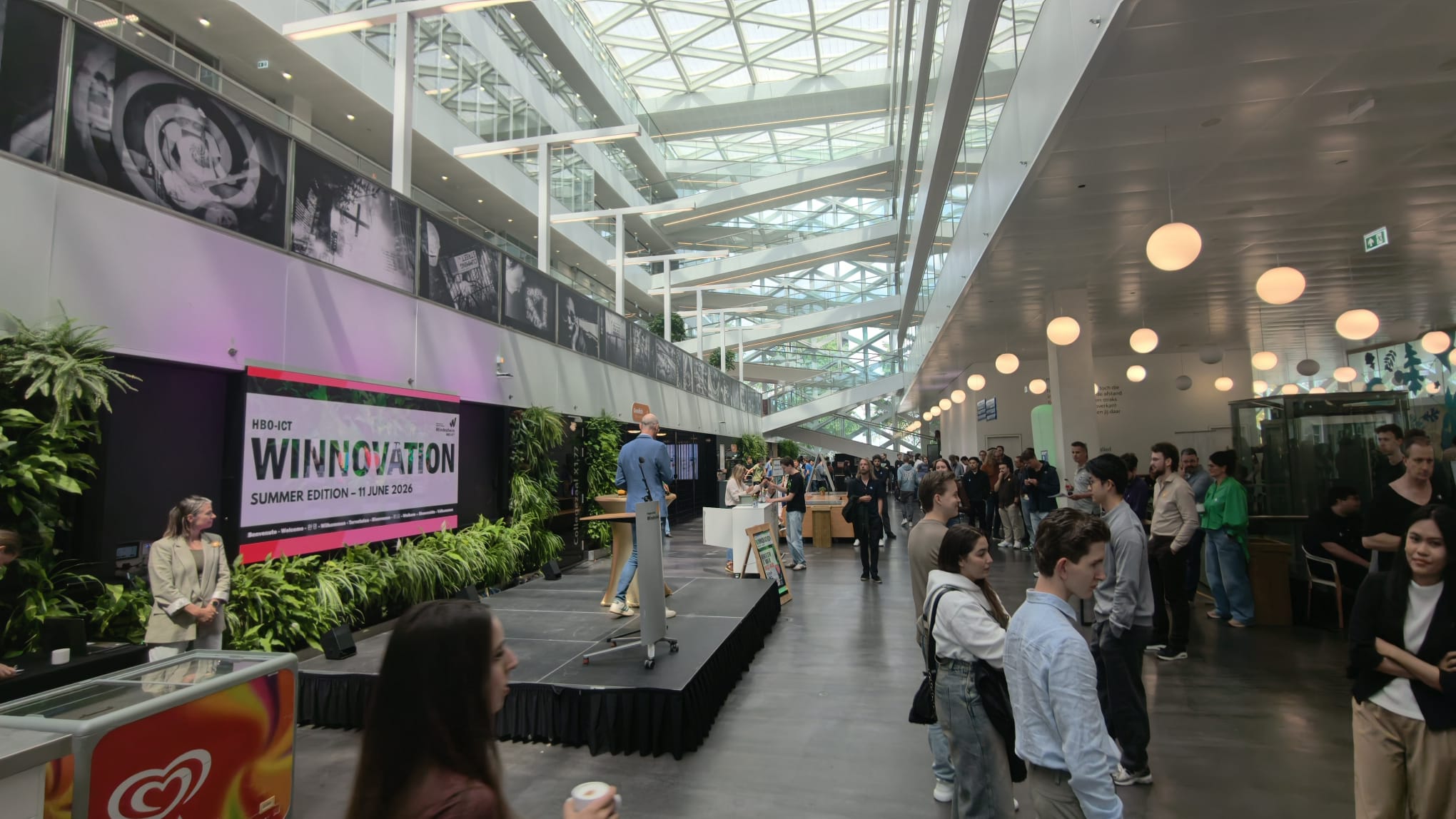
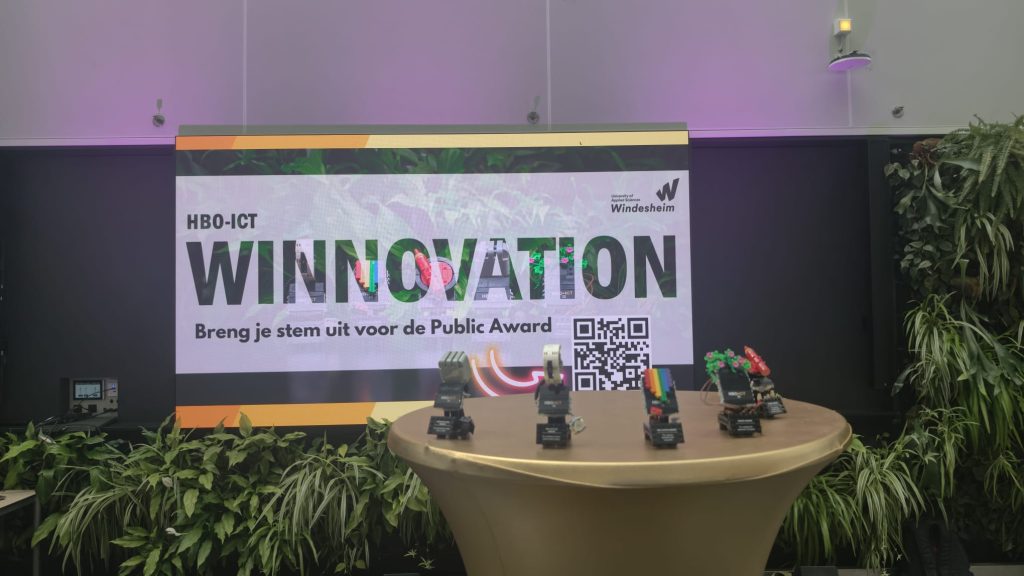
When we talk about game development courses in the Netherlands, familiar names soon come up: BUas, HKU or our own projects at The Hague University of Applied Sciences. But did you know that exciting things are happening in Zwolle too? In that respect, Windesheim University of Applied Sciences is something of a blind spot on the technology map. So it was high time to catch a train east and take a look at the Winnovation event.
The aim of my visit? To find out how things work there. With 038games, Windesheim has an initiative very similar to our own GameLab. Although I unfortunately did not get the chance to speak at length with the lecturers involved this time, the students’ projects spoke volumes.
Surprising results without engine classes
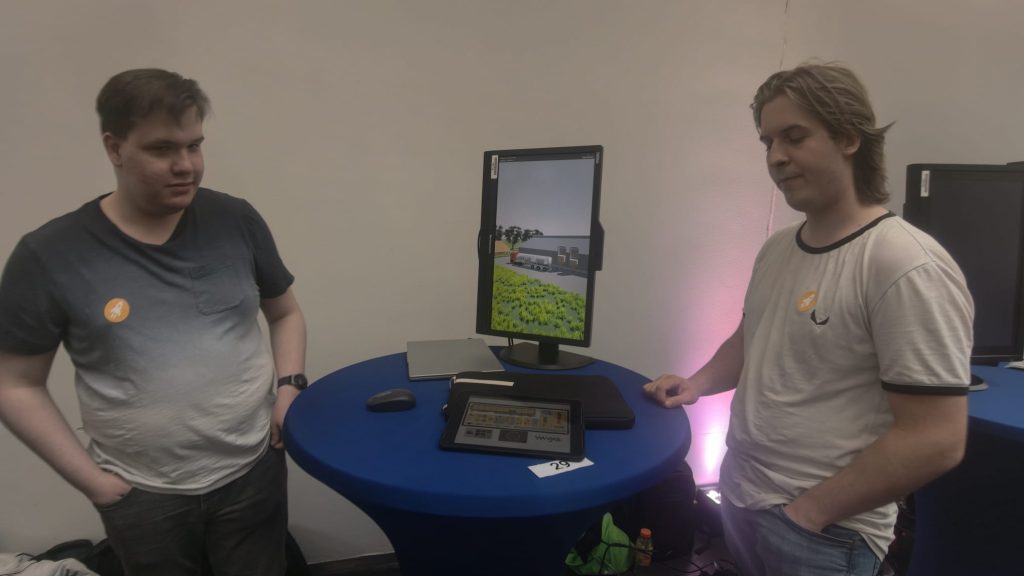
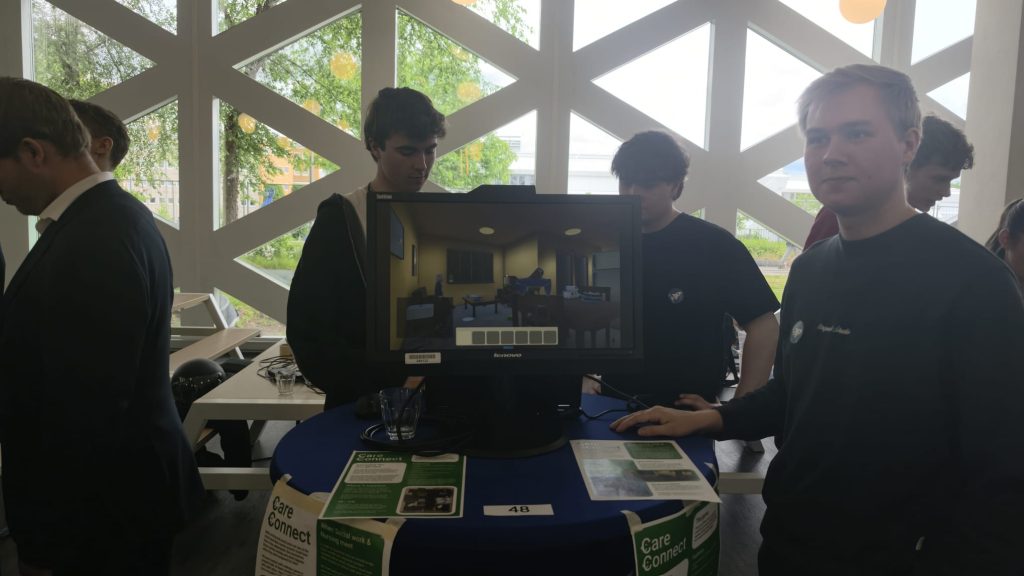
Walking around the groups, what immediately stands out is the focus on serious games and projects for real clients. The students, who have a Software Engineering background just like those at THUAS, are really thrown in at the deep end.
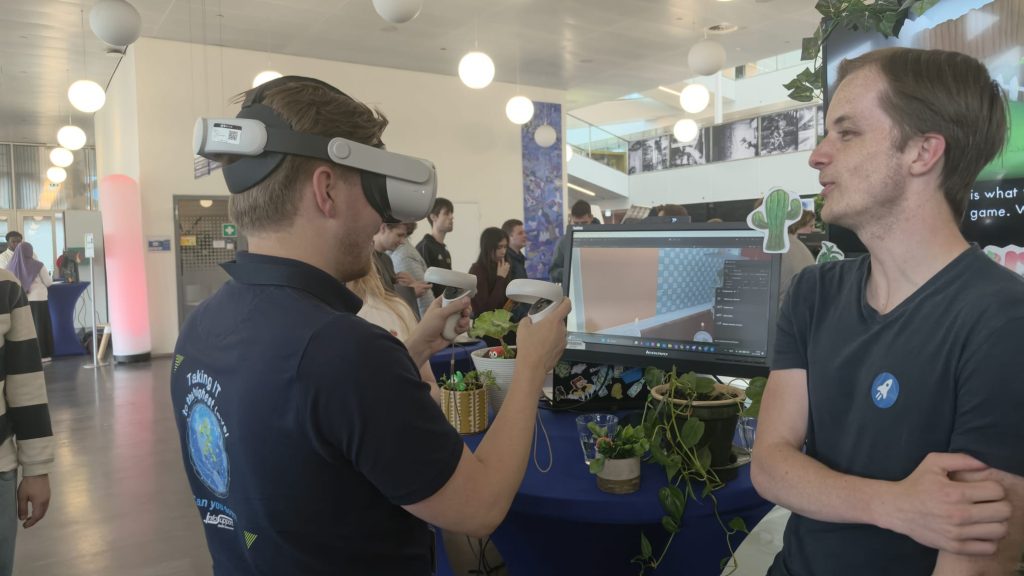
An interesting teaching choice: game engines are not a fixed part of the curriculum. Students are completely free to choose their tools. The split seemed balanced: among those choosing a game engine, roughly 50% used Unity and 50% Godot. Despite the lack of formal lessons in these engines, the students produced surprisingly good products, even venturing into VR.
A few examples from the event:
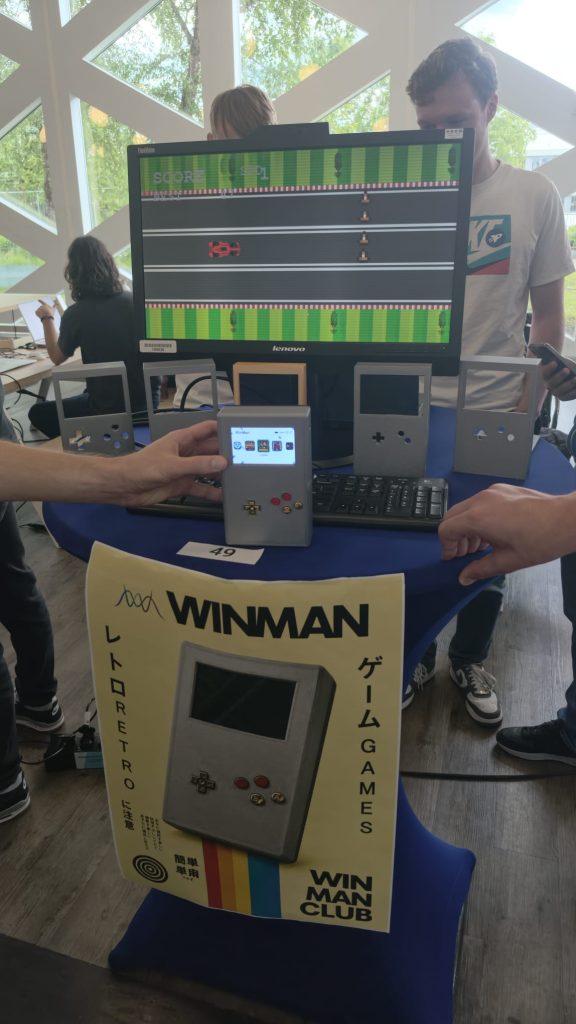
- Winman: A completely custom-built handheld games console, including no fewer than 10 original games made with pygame (by first-year students, no less!).
- Care Connect: A 3D game offering an accessible introduction to the world of home care and informal care.
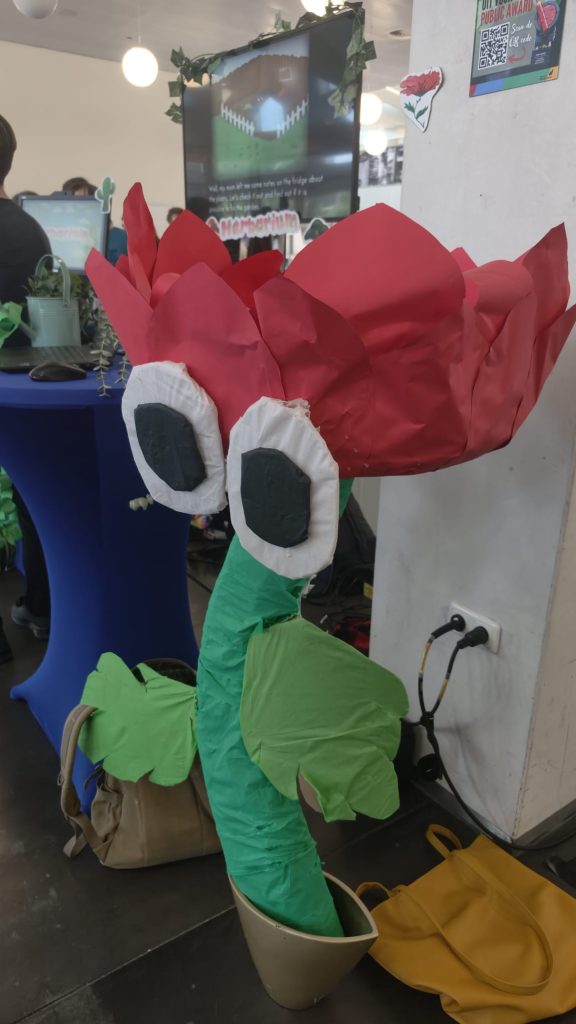
- Herbarium: A beautiful (VR) botanical garden where you learn about nature through play.
- Logistics learning modules: An ingenious 3D visualisation for a transport company and a smart colour selector for a vehicle paint shop.
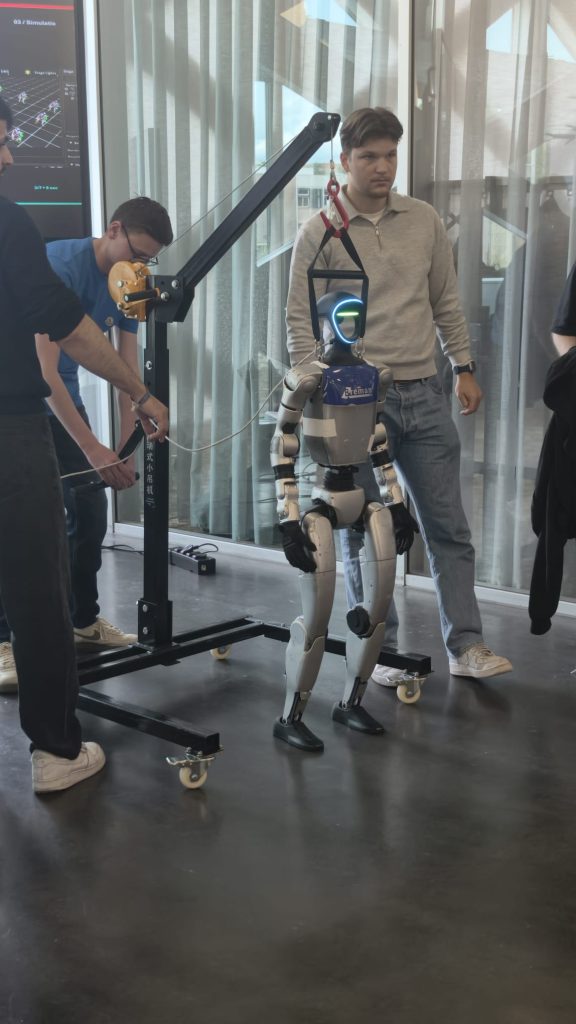
Alongside serious games and original productions developed when no external client was available, there were also fire service simulators and robot projects. As Windesheim does not offer a CMD (Communication & Multimedia Design) programme, the emphasis was on technical and functional implementation. Winnovation also showcased a broader range of innovative talent, including security projects.
Comparing Windesheim with The Hague University of Applied Sciences
It is interesting to see how Windesheim compares with our game development work at The Hague University of Applied Sciences. The parallels are clear, but there are some striking differences too:
| Feature | Windesheim (038games) vs. The Hague University of Applied Sciences (GameLab) |
|---|---|
| Types of assignment | Strong emphasis on serious games for real clients, such as research groups. THUAS only does this within GameLab and ID. |
| Teaching model | Projects within a “Game Studio” semester rather than internships. Groups of 4 to 8 students. |
| Coaching | Students choose their own assignments, with coaching to guide them. |
| Engine knowledge | No formal engine classes, but students quickly teach themselves the skills. |
| AI use | Encouraged, although uptake varies. Depending on group size and time pressure, students either use it effectively or deliberately leave it aside. |
The power of the sprint
What really struck me was the projects’ turnaround time. Windesheim works with shorter and longer assignments lasting one teaching period (8 weeks) or an entire semester (17 weeks). Some groups that had only been working for 8 weeks were already ahead of groups with a whole semester, both in terms of their product and its depth. It shows once again how productive students become with the right pressure and focus.
My conclusion: Windesheim need not remain a blind spot. After previous visits to exhibitions at BUas, HKU, Rotterdam University of Applied Sciences, SEA, Media College, mboRijnland and, of course, our own THUAS EXPO, it is refreshing to see how well the students in Zwolle perform. Both the serious games and original productions show that, with plenty of initiative, game development can teach you an enormous range of skills in a short time.
Many thanks to Matthieu van Bekkum for the extensive tour of the event and campus!